 Member of Morris Group International
10+ Benefits of Hydration in the Workplace + Practical Strategies
September 18, 2024
Staying hydrated is essential for maintaining overall health and well-being, but did you know that it can also significantly impact work performance?
In today’s fast-paced and demanding work environments, it’s easy to forget the importance of drinking enough water throughout the day. However, neglecting hydration can lead to a host of negative consequences, from decreased productivity and impaired cognitive function to increased absenteeism and higher healthcare costs.
Employers have a unique opportunity to promote hydration in the workplace by providing easy access to clean drinking water through reusable bottle fillers, drinking fountains, and water coolers. By prioritizing hydration, companies can foster a healthier, more productive, and more satisfying work environment for their employees.
Let’s explore the numerous benefits of staying hydrated at work and practical strategies for implementing and encouraging hydration in the workplace so that employers can take proactive steps to support the health and well-being of their teams.
Boosting Employee Performance Through Proper Hydration
Staying hydrated is not only essential for physical health but also plays a crucial role in maintaining optimal cognitive function and productivity in the workplace. When employees are well-hydrated, they are better equipped to focus, make decisions, and perform at their best.
Increased Productivity
Dehydration can lead to fatigue, decreased alertness, and difficulty concentrating, all of which can negatively impact productivity. A study by the University of East London found that drinking water can increase productivity by up to 14%. [1] This significant boost in productivity can be attributed to the fact that proper hydration helps maintain energy levels and reduces the likelihood of headaches and other discomforts that can distract employees from their work.
Better Decision-Making
When employees are dehydrated, they may struggle to process information quickly, think creatively, and make sound judgments. Conversely, staying hydrated supports clear thinking and rational decision-making, which is particularly important in fast-paced and high-pressure work environments.
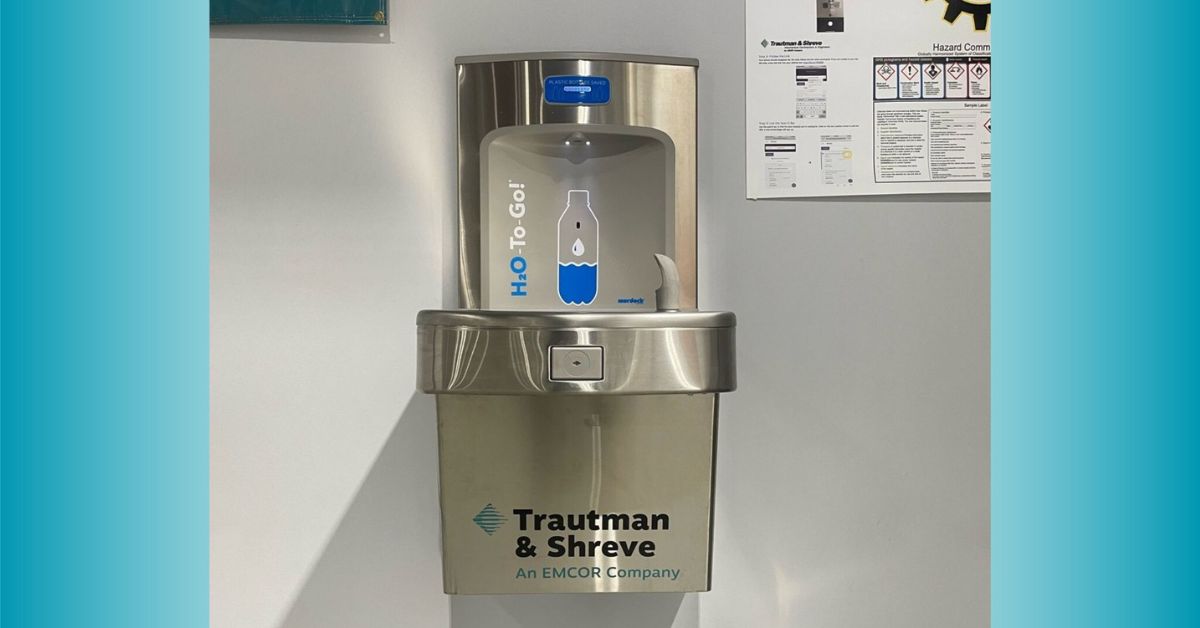
Providing easy access to clean drinking water through reusable bottle fillers, drinking fountains, and water coolers is a simple but effective way for employers to promote hydration and support cognitive function in the workplace. These water sources serve as visual reminders for employees to drink water regularly, and their convenient placement throughout the office can encourage hydration without disrupting workflow.
Moreover, offering a variety of water sources caters to individual preferences and needs. Some employees may prefer the ease and eco-friendliness of refilling their reusable water bottles, while others may enjoy the social aspect of gathering around a water cooler for a quick chat and hydration break.
By investing in these hydration solutions, employers demonstrate their commitment to employee well-being and create a work environment that prioritizes both physical and cognitive health.
Promoting Employee Health and Well-being Through Hydration Initiatives
Proper hydration is crucial for maintaining physical health and well-being, both in and out of the workplace. When employees prioritize hydration, they can experience a range of benefits that contribute to better overall health, improved performance, and fewer sick days.
Better Physical Health
Drinking enough water is essential for maintaining good physical health. A study found that drinking water can help prevent migraines [2], which are common causes of absenteeism in the workplace. The study also noted that proper hydration can reduce the risk of urinary tract infections, kidney stones, and constipation [3], all of which can cause discomfort and further impact an employee’s ability to perform their job effectively.
Improved Physical Performance
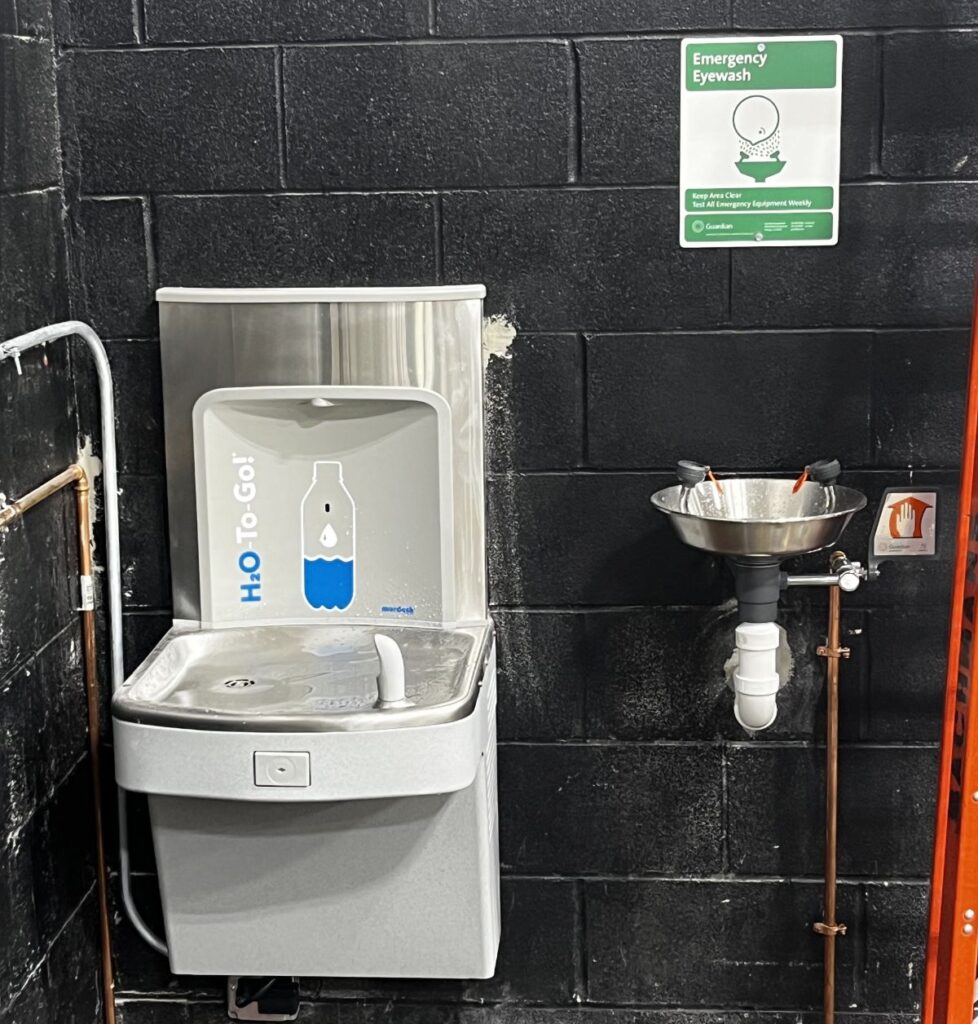
For employees with physically demanding jobs, such as those in construction, manufacturing, or warehousing, staying hydrated is particularly important for maintaining optimal performance. Dehydration can lead to decreased strength, endurance, and coordination, increasing the risk of accidents and injuries on the job. [4] By staying properly hydrated, employees can maintain their physical performance, ensuring they can carry out their duties safely and efficiently.
Fewer Sick Days
Drinking water doesn’t directly boost your immune system, but adequate hydration can support immune function, helping employees fight off illnesses and reduce the number of sick days taken. When the body is well-hydrated, it is better equipped to flush out toxins and maintain a healthy balance of fluids, which can help prevent the onset and severity of common illnesses. By reducing the frequency and duration of sick days, proper hydration can help minimize disruptions to work processes and maintain overall productivity.
Improved Mood and Well-being
Dehydration can negatively impact mental health, leading to increased feelings of anger, confusion, and fatigue. A study by the University of Connecticut found that even mild dehydration (1-2% of body weight) can lead to significant mood disturbances. [5]
Conversely, staying hydrated can help regulate mood, reduce anxiety, and promote a sense of calmness and well-being. Employees can better manage stress and maintain a positive outlook by prioritizing hydration, even in challenging work situations.
Enhanced Employee Satisfaction
Providing access to clean drinking water is essential for health and demonstrates an employer’s commitment to employee well-being. When employees feel valued and supported, they are more likely to experience job satisfaction and develop a stronger loyalty to their employer.
Promoting Sustainability Through Reusable Water Bottles and Bottle Fillers
Investing in hydration initiatives benefits employee health and well-being, leads to significant cost savings, and promotes environmentally friendly practices in the workplace. By reducing healthcare costs and encouraging the use of reusable water bottles and bottle fillers, employers can create a more sustainable and financially responsible work environment.
Reduced Healthcare Costs
Proper hydration can help prevent various health issues, from headaches and fatigue to more serious conditions like kidney stones and urinary tract infections. By reducing the incidence of these health problems, employers can significantly reduce healthcare costs associated with employee illness and absenteeism. Employers can help prevent these costly health issues by encouraging hydration in the workplace and maintaining a healthier, more productive workforce.
Environmentally Friendly Practices
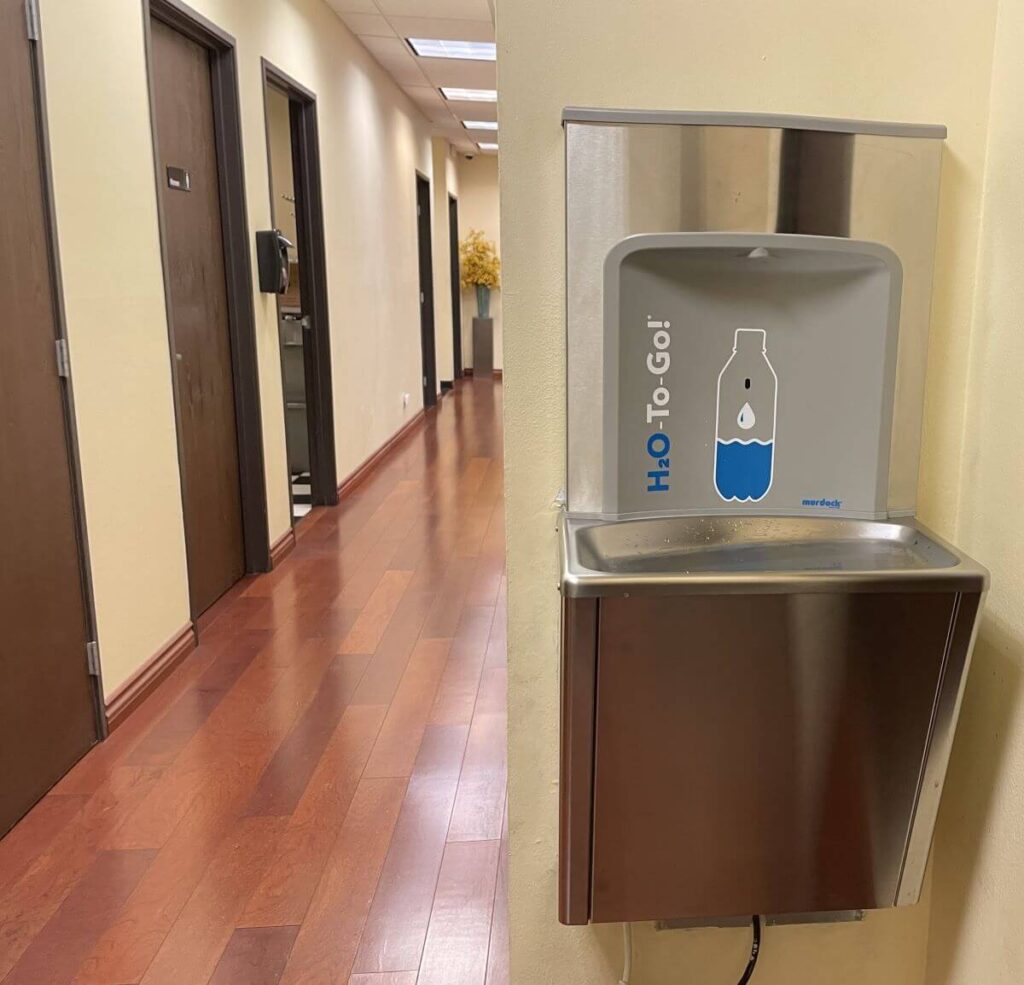
Encouraging the use of reusable water bottles and bottle fillers can significantly reduce the workplace’s environmental impact. Single-use plastic water bottles significantly contribute to pollution and waste, with millions ending up in landfills and oceans yearly. By promoting reusable water bottles and providing convenient bottle-filling stations, employers can reduce their organization’s environmental footprint and demonstrate a commitment to sustainability.
Cost Benefits of Bottle Fillers
Using reusable water bottles and bottle fillers can also lead to cost savings for both employers and employees. A study by the University of Michigan found that using a reusable water bottle can save an individual up to $800 per year compared to purchasing bottled water. [6]
For employers, providing bottle filling stations can be a more cost-effective solution than constantly restocking disposable water bottles or maintaining a large number of water coolers.
Implementing Hydration in the Workplace
To effectively promote hydration and reap its numerous benefits, employers must proactively implement hydration initiatives in the workplace. This involves developing strategies for encouraging hydration, ensuring the proper placement and maintenance of water sources, and educating employees on the importance of staying hydrated.
Strategies for Encouraging Hydration
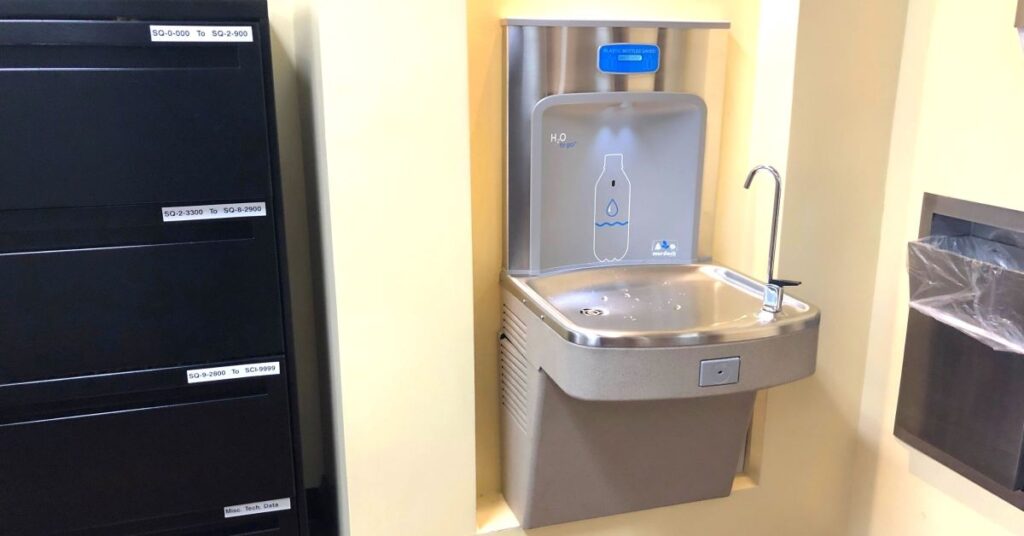
One of the most effective ways to encourage hydration in the workplace is to make it convenient and accessible. Employers can promote hydration by providing reusable water bottles to employees, organizing water challenges or competitions, and incorporating hydration breaks into the workday. Additionally, offering various hydration options, such as infused water or herbal teas, can make staying hydrated more enjoyable and appealing to employees.
Placement and Maintenance of Water Sources
The placement and maintenance of water sources, such as reusable bottle fillers, drinking fountains, and water coolers, are crucial for promoting hydration in the workplace. The best rule of thumb is to make it as convenient for employees to access the hydration station as possible.
A breakroom is an obvious choice, as is the organization’s or building’s lobby. In addition to those two locations, be sure to locate water coolers and bottle fillers wherever people gather on each floor and department.
When choosing water sources, it’s essential to consider products designed to simplify maintenance and reduce labor costs. For example, Murdock® Manufacturing products have been meticulously engineered with features such as easy filter replacement without removing the shroud, a single mechanical button for straightforward maintenance, and a refrigeration coil wrapped around the water tube, eliminating the need for a chilling tank, which causes sediment buildup and standing water.
Educating Employees on the Importance of Hydration
In addition to providing access to water sources, employers must also educate employees on the importance of hydration and its impact on health, well-being, and productivity. Employers can raise awareness through educational materials, such as posters, newsletters, and email reminders, highlighting hydration benefits and providing tips for staying hydrated throughout the day.
Moreover, managers and supervisors should lead by example and encourage their teams to prioritize hydration. By fostering a culture that values hydration, employers can ensure that employees understand the importance of staying hydrated and feel supported in their efforts to do so.
Implementing hydration initiatives in the workplace requires a multifaceted approach that combines convenience, accessibility, education, and leadership support. By developing strategies for encouraging hydration, ensuring the proper placement and maintenance of water sources, and educating employees on the importance of hydration, employers can create a work environment that prioritizes their workforce’s health, well-being, and productivity.
Embracing a Hydrated Workplace Today
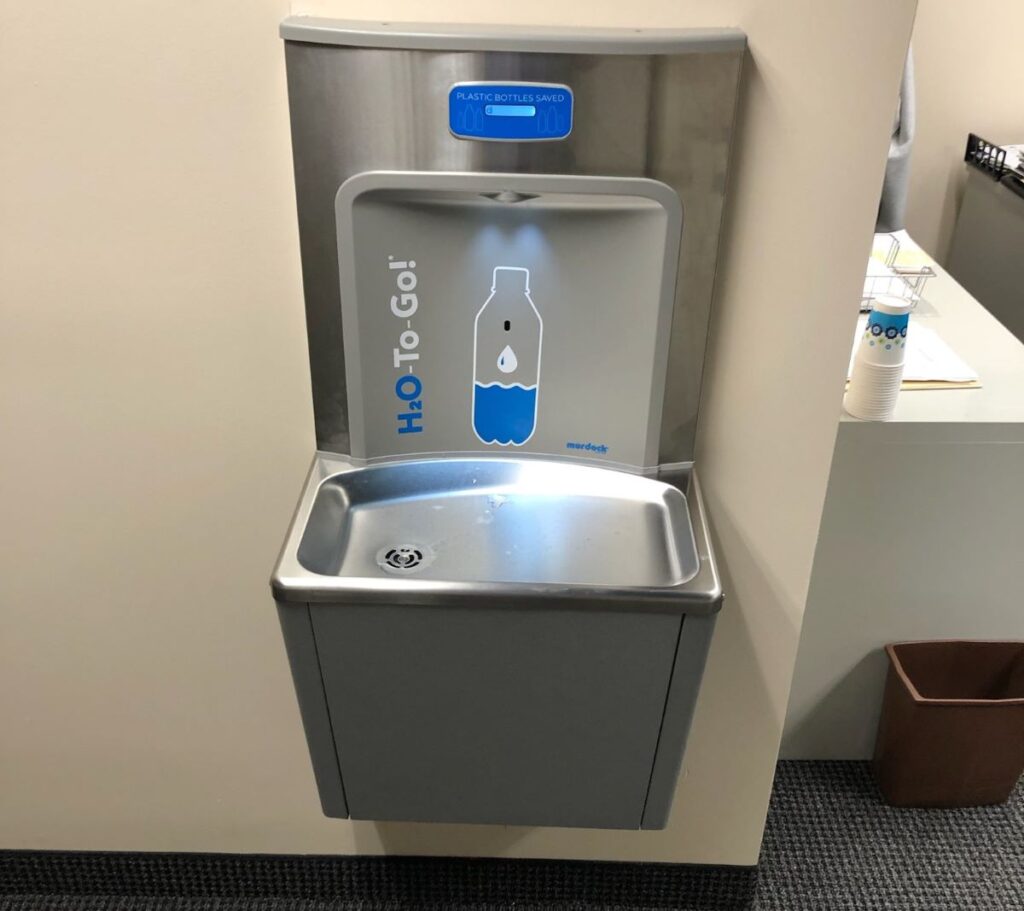
Employers can create a work environment that prioritizes physical and mental health by providing easy access to clean drinking water through reusable bottle fillers, drinking fountains, and water coolers. Encouraging hydration leads to cost savings through reduced healthcare expenses and improved productivity and promotes environmentally friendly practices that benefit both the organization and the larger community.
We call upon employers to act and prioritize hydration in their workplaces. By investing in the health and well-being of your employees, you are investing in the success and sustainability of your organization. Together, we can create workplaces that thrive, one sip at a time.
To learn more about how you can implement effective hydration solutions in your workplace, please get in touch with your local MGI Murdock Manufacturing representative. Our team of experts is dedicated to helping you create a healthier, more productive work environment through innovative hydration solutions tailored to your organization’s unique needs. Take the first step towards a more hydrated, successful workplace today.
References
[1] https://www.gtphub.com/post/83092/NewStudyShowsDrinkingWaterCanIncreaseProductivityby14Percent
[2] Khorsha F, Mirzababaei A, Togha M, Mirzaei K. Association of drinking water and migraine headache severity. J Clin Neurosci. 2020 Jul;77:81-84. doi: 10.1016/j.jocn.2020.05.034. Epub 2020 May 20. PMID: 32446809.
[3] Popkin BM, D’Anci KE, Rosenberg IH. Water, hydration, and health. Nutr Rev. 2010 Aug;68(8):439-58. doi: 10.1111/j.1753-4887.2010.00304.x. PMID: 20646222; PMCID: PMC2908954.
[4] Kenefick, Robert & Sawka, Michael. (2007). Hydration at the Work Site. Journal of the American College of Nutrition. 26. 597S-603S. 10.1080/07315724.2007.10719665.
[5] https://today.uconn.edu/2012/02/even-mild-dehydration-can-alter-mood/#
[6] https://pba.umich.edu/quick-and-easy-tips-to-save-money-and-the-environment/